
What is local SEO and how to improve your local ranking
When it comes to SEO, most businesses focus on improving their ranking on a national or global scale. However, if you have a brick-and-mortar business, it’s important to also focus on local SEO so that people in your area can find you more easily. In this article, we’ll explain what local SEO is and how you can improve your local ranking.
 What is local SEO and why do I need it?
Local SEO is the process of optimizing your online content and presence to rank higher in search results for local searches. This is important because most people don’t go past the first page of search results when looking for something nearby.
There are a few key things you can do to improve your local SEO ranking, such as claiming your Google My Business listing, optimizing your website for local keywords, and building citations (mentions of your business on other websites).
Overall, local SEO is important if you want to be visible to potential customers in your area. By following the tips above, you can start to improve your local ranking and get found by more people who are looking for what you have to offer.
 Organic search results vs. local snack pack
As a business owner, you’re always looking for ways to get your website in front of potential customers. With local SEO, you can do just that! But what is local SEO and how can it help your business?
Local SEO is the process of optimizing your website for Local Search. This means making sure your website appears as high as possible in search results when people are searching for businesses like yours in their local area.
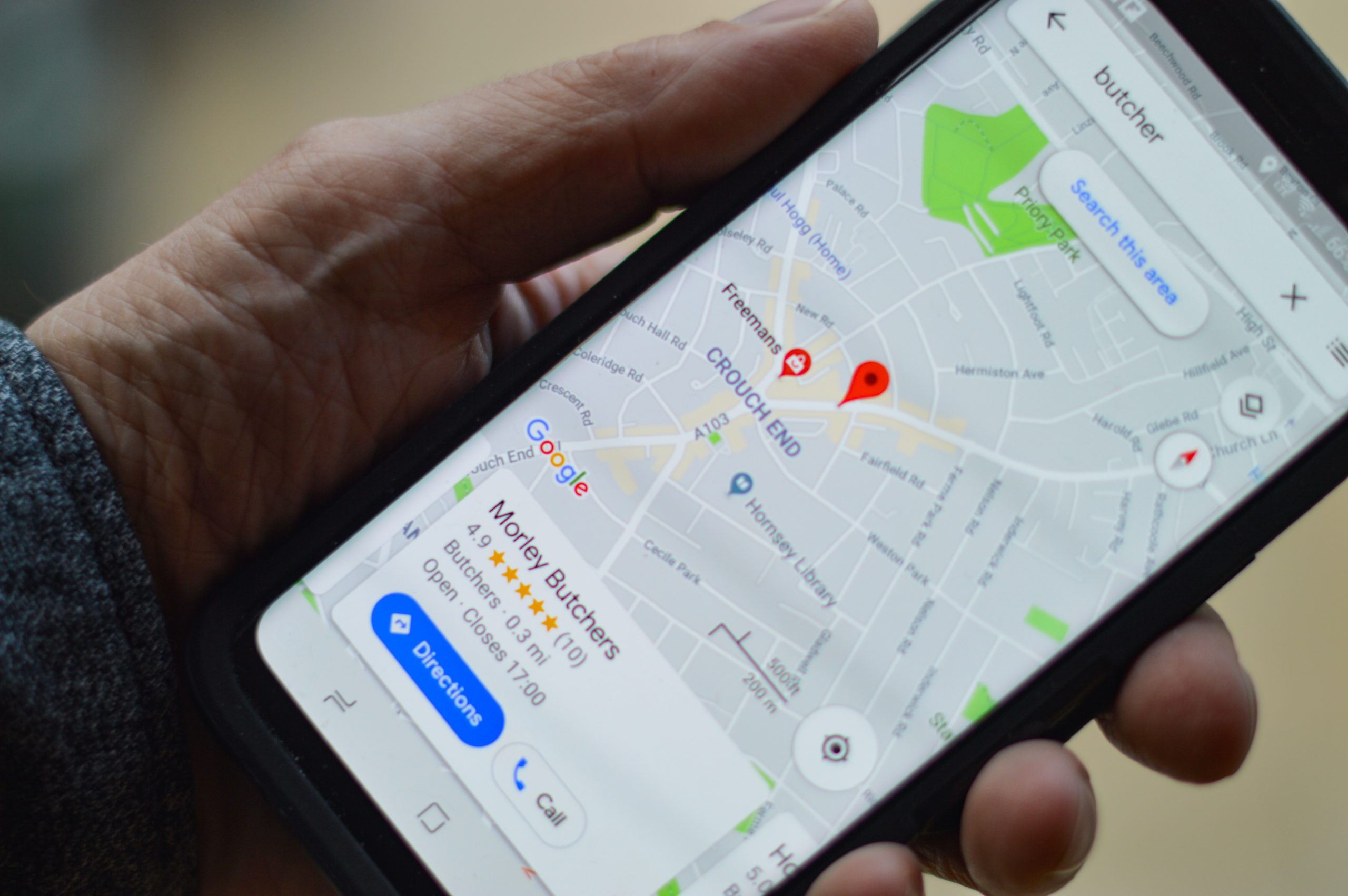
There are two types of search results that you could appear in: organic results and the local snack pack.
Organic results are the regular search results that appear when someone searches for something on Google. The local snack pack, on the other hand, is a special section that appears at the top of the search results specifically for Local Search. It includes a map and businesses that Google has determined to be the most relevant to the searcher’s query.
So how do you improve your chances of appearing in the local snack pack? Here are a few tips:
1. Make sure your business is listed on Google My Business.
2. Optimize your listing with key information like your business name, address, and phone number (NAP
 6 ways to boost your local SEO strategy
Local SEO is the practice of optimizing your online content to make it more visible to people who are searching for businesses like yours in their local area.
There are a number of ways to boost your local SEO strategy. One way is to make sure that your website is listed on relevant online directories. Another way is to create local content that includes keywords that people in your area are searching for. You can also use social media to promote your business and build local relationships.
One of the best ways to improve your local SEO is to get involved in the community. You can do this by participating in local events, sponsoring local organizations, and working with other local businesses. By getting involved in the community, you will be able to build relationships with potential customers and show them that you are invested in their success.
If you want to improve your local SEO, there are a number of things you can do. Make sure that your website is listed on relevant online directories, create local content, and get involved in the community. By taking these steps, you will be able to improve your visibility and attract more customers from your local area.
Let’s talk about how to increase your local SEO strategy and search ranking. Let’s focus on the most important aspects:
1. Optimize your GMB listing
Google My Business is crucial to local SEO. Google’s service provides free business listings. According to Moz, Google considers it when ranking businesses in organic local search and snack pack results.
First, claim or build your Google My Business listing.
Your GMB listing needs these details:
- Full company name
- Store/office address
- Map your location
- Your market
- Call and visit (if applicable)
Once your listing is live, you must verify it by phone or postcard. After verification, improve Google My Business.
- Add business photographs. These might be images inside or around your store/office.
- Business hours?
- Add a business-related category.
- If possible, provide more phone numbers.
Sharing business updates and new material might boost your GMB profile. Sprout Social’s latest functionality lets you post to your GMB profile. Use Sprout GMB to share news and future events with customers. This deepens your connection with customers and boosts your local visibility.
2. Mobile-friendly
With cellphones becoming part of our daily lives, many individuals will use them to look for local information and companies. Uberall commissioned a survey that indicated 82% of respondents had conducted a “near me” search. This shows how many individuals search locally on their phones.
It’s important to optimize your website for mobile users. Make your website mobile-friendly so users can easily navigate and access information.
On your website and GMB listing, put click-to-call buttons. 60% of mobile users have contacted a business via search results.
3. Gather consumer feedback
According to a Moz study, review signals affect local search and snack pack rankings. Authentic reviews, especially good ones, can increase your local search presence and reputation. That suggests you need more authentic consumer reviews.
Focus on sites where Google expects reviews. It collects reviews from consumer directories and social media in addition to your website and GMB listing. Depending on your business, you should collect reviews on Facebook, Yelp, Thumbtack, Foursquare, Angie’s List, etc.
4. Build local relationships
According to Moz, link signals such as domain authority and quantity affect local search and snack pack rankings. Local SEO requires link building to increase your link profile, like standard SEO. However, the linked domains should be more relevant.
You should target regional authority websites. This includes licensing bureaus, trade associations, the Chamber of Commerce, and.edu websites.
Partnerships, scholarships, and guest authoring can help you get local backlinks.
5. Consistent NAP/citation
Moz found that Google analyzes citation volume and NAP consistency in local search results. Your information should be on GMB, Bing Maps, Yelp, and Facebook. Focus on high-DA directories over smaller ones.
Ensure your NAP is consistent across platforms and websites. Address and phone number errors, misspellings, and duplicate listings might hurt local SEO.
6. Social listen
Social listening offers several benefits beyond marketing insights. Knowing which insights to search for and how to use them will benefit your local SEO campaign.
Find out what people in your target location are saying about your business or in general by using social listening. You may collect audience interests, priorities, etc. Use these insights to change your strategy or products and services.
People may have complained about your café’s lack of outdoor seating. Maybe it’s time to expand its reach. Share updates regarding your new seating arrangement to boost your GMB SEO.
People may wish your hair salon offered manicures. You can add services to your GMB profile.
Social listening can help you determine what local content your target audience wants. You may then create a strong local content strategy. You may even find long-tail keywords for SEO.
Ready to get local?
If you want your business to appear in local search results, you need to make sure you have a solid local SEO strategy. Local SEO is all about optimizing your online presence to attract more customers from your specific geographical area. And it’s not as difficult as it may sound.
Here are a few tips to get you started:
1. Make sure your website is optimized for local keywords.
2. Create and claim your business listings on major directories like Google My Business and Yelp.
3. Encourage customers to leave reviews on your listing pages.
4. Stay active on social media, especially platforms like Twitter and Facebook, which allow users to check-in at businesses.
By following these simple tips, you can give your local SEO efforts a boost and start seeing more customers from your target area.